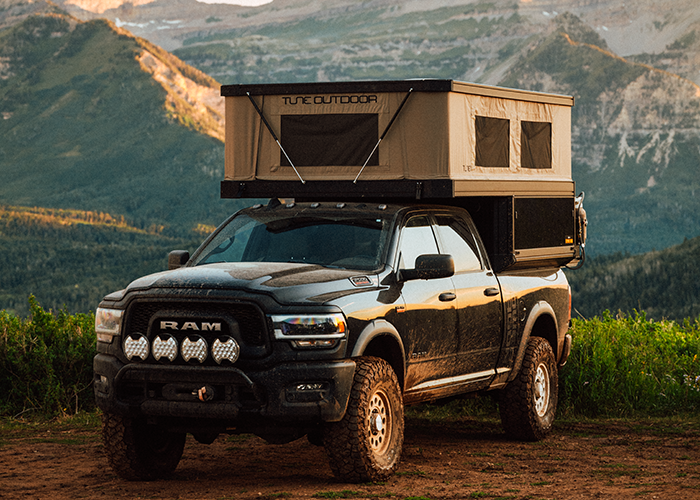
It may not be glamorous, but it’s essential. We want your camping experience to be as comfortable as possible and sometimes that means covering topics people usually avoid. You guessed it: we’re here to give you the scoop on the best off-grid toilet solutions.
We’ve all been there: deep in the woods with no bathroom in sight. What do you do? Keep reading so you’ll be prepared next time nature calls in the backcountry. Solutions range from something as simple as digging a cathole to packing a portable camping toilet. Let’s look at how each option works and the pros and cons of each.
Cathole
When all else fails and no bathroom facilities are in sight, digging a cathole is the most widely accepted method of waste disposal in the backcountry.
When selecting a cathole site, follow these guidelines:
- Choose a spot at least 200 feet from any water source.
- Pick an area that is lightly traveled.
- Look for dark, rich soil. This indicates organic material which helps break down waste.
Once you’ve chosen the right location, dig a hole about 6–8 inches deep and 4–6 inches in diameter. A small trowel is ideal, but in a pinch, your hands will work.
After use, refill the hole with the original soil and disguise it with natural materials
Pros/Cons:
It is crucial to follow the recommended guidelines when digging a cathole or there is greater risk for animal attraction and water contamination.
Additionally, it is not the most comfortable bathroom solution in the backcountry.
While they may not be glamorous, catholes are effective and follow Leave No Trace principles. They are also easy to dig in most areas, simple to disguise after use and require little to no equipment. If you want to make the experience as seamless as possible, we highly recommend purchasing a bathroom kit, which includes everything you need to dig a hole and bury your waste in the backcountry.
Portable Systems (Pack-It-Out)
This method is exactly what it sounds like: you pack out your waste. Portable systems include specialized Waste Alleviating Gel bags (WAG bags) or bucket systems.
WAG bags typically come pre-equipped with toilet paper, hand sanitizer, and a gelling agent that solidifies and deodorizes waste.
Bucket systems create a makeshift toilet using a bucket or container. Some systems use two buckets to separate liquid and solid waste, which helps reduce odors. Most commercial pack-out bucket kits include:
- an outer carrying bag
- inner waste bags
- odor-control powder or tablets
- cleansing wipes
After using the bathroom, add the provided powder/gel to absorb moisture and manage odor. Use the wipes for cleanup, then seal the waste bag and carry it out to a proper trash receptacle.
Pros/cons:
Pack-it-out systems have limited capacity, need to be emptied frequently, and rely on chemicals for odor control, making them less eco-friendly than other options.
Still, they’re a good choice for campers who want a simple, sanitary, and low-cost portable toilet solution.
Eco-Friendly / Composting Toilets
For maximum comfort, eco-friendliness, and off-grid independence, composting toilets are an excellent option.
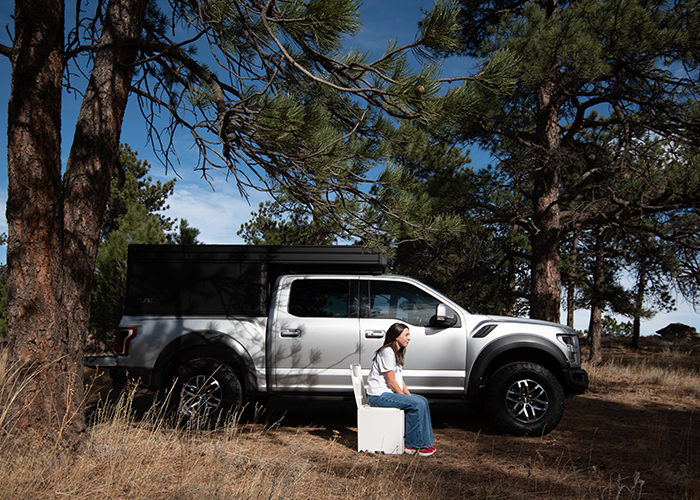
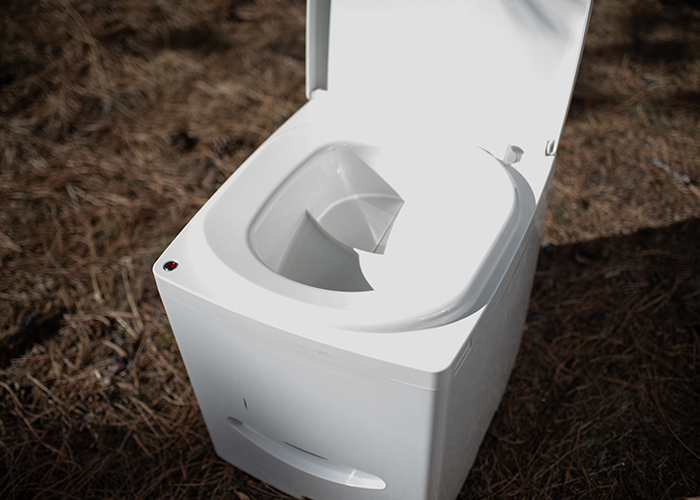
These toilets separate liquid and solid waste, allowing the solids to undergo aerobic decomposition. This transforms waste into a compost-like material. Composting toilets require no chemicals and no water, making them a sustainable alternative to traditional toilets.
After each use, add a carbon-rich cover material (such as sawdust or pet litter) to the solids. This absorbs moisture and controls odors. There’s no need to flush.
When the solid and liquid containers fill up, it’s time to empty them.
- Solids can be emptied into a trash receptacle or added to a proper composting system.
- Liquids can be diluted and used as fertilizer or emptied into a regular toilet/sewer.
Pros/Cons:
Composting toilets take the lead when it comes to long-term use, odor control, comfort, and environmental impact. A single composting toilet can last a person weeks before it needs to be emptied, whereas the pack-it-out methods are typically one time use. Additionally, the use of a urine-diverting system makes these toilets nearly odor free!
These toilets are a more comfortable option and offer a home-like experience. Lastly, the transformation of waste into compost material makes these toilets an extremely eco-friendly option.
The main drawbacks of a composting toilet are the larger size and higher up-front cost.
We recommend the Cuddy Lite as a composting toilet option that fits seamlessly into a Tune M1 or Tune M1L.
Whether you choose to dig, pack-it-out, or compost, you are now prepared to answer nature’s call in the backcountry.
FAQ:
What is the best portable toilet for camping?
Composting toilets provide the closest thing to a home-like bathroom experience in the backcountry, excelling in comfort, odor control, and environmental impact. If you’re looking for a more budget-friendly option, pack-it-out systems like WAG bags or bucket toilets are simple, effective alternatives.
What do you do with toilet paper in the backcountry?
When you’re in the backcountry, it’s essential to follow Leave No Trace principles by packing out all used toilet paper. Store it in a sealed bag to prevent odors and avoid attracting wildlife, then dispose of it in a proper trash receptacle as soon as you’re able. If you opt to use a composting toilet, you will need to read the specific recommendations for your toilet. Many composting toilets require a specific type of toilet paper and some recommend you dispose of the toilet paper separately to avoid clogging the toilet.
How far from camp should you go to the bathroom?
You should go to the bathroom at least 200 feet away from camps, trails, and any water source. This helps to prevent contamination, reduces wildlife attraction, and follows leave no trace principles.