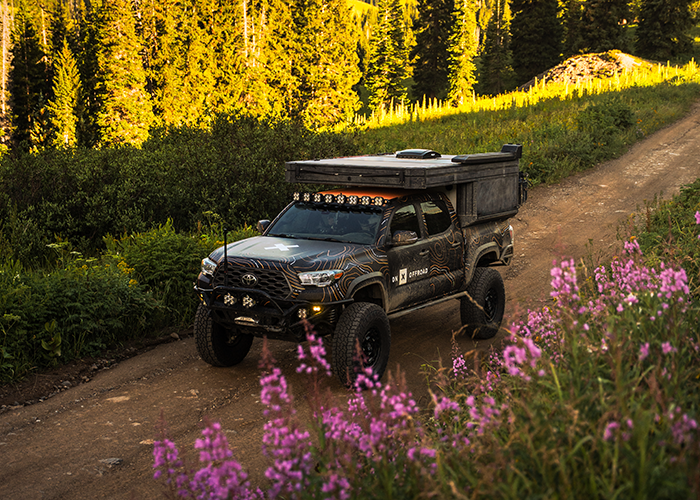
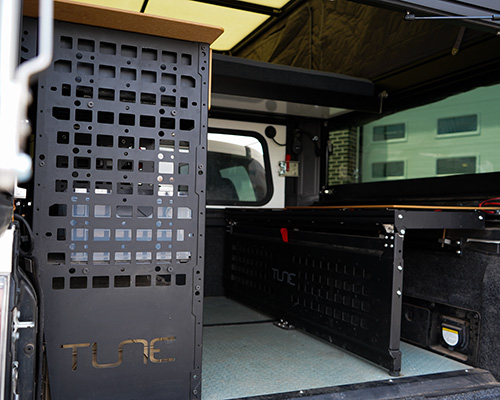
Buying a truck camper is an exciting investment, but choosing the right one involves more than comparing floor plans or features. The best truck camper for your lifestyle depends on your truck, how you travel, where you camp, and the experiences you want to have. Asking the right questions before you buy can help you narrow your options, avoid costly mistakes, and find a camper you'll enjoy for years to come. Whether you're shopping for your first truck camper or upgrading your current setup, these 20 questions will help guide your decision and make it easier to find the camper that's the right fit for your adventures.
Truck compatibility
- Do you already own a truck?
This is the first question you should ask yourself. Some people choose a truck first and pick a camper to fit that specific truck. Others work in reverse, picking out a camper first and then choosing a truck that works well with it.
- What is the payload capacity of your truck?
This is another question you should answer early in the buying process. The payload capacity of your truck determines what campers are compatible. Many first-time buyers focus only on the dry weight of a camper. Remember to include passengers, pets, water, recovery gear, camping equipment, food, and accessories when calculating your total payload. A camper that fits on paper may exceed your truck's payload once fully loaded. Read our Payload Capacity Guide to learn more about payload.
- How important is weight to you?
Weight affects nearly every aspect of the truck camper experience. A lighter camper, like the Tune M1L, leaves more payload available for passengers and gear while helping preserve fuel economy, handling, and off-road capability. If you plan to tackle rough terrain or use your truck as a daily driver, keeping weight low is often one of the most important decisions you'll make. Additionally, a lightweight camper doesn't just improve fuel economy; it can also reduce suspension wear, improve braking performance, make highway driving less stressful, and preserve your truck's off-road capability.
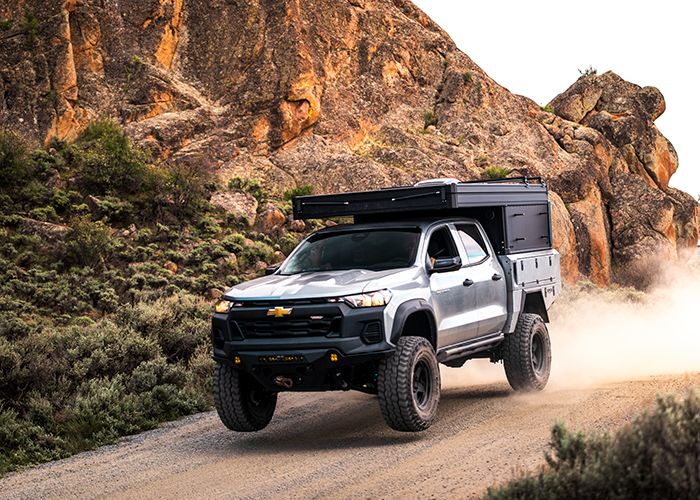
Explore Tune’s Lightweight Campers
- Will you still be using your truck as your daily driver?
Driving through busy city traffic presents different challenges than heading out on camping trips. If your truck doubles as a daily driver, camper size and weight may become more important considerations. A larger camper can affect maneuverability, parking, and overall driving comfort, while a lighter, more compact setup may be easier to live with day-to-day.
- Which campers are compatible with your truck?
Truck compatibility varies significantly between camper manufacturers. While the Tune M1 and Tune M1L are designed to fit a wide range of trucks—including most mid-size models—some traditional truck campers are only compatible with larger full-size or heavy-duty pickups. If you already own a truck, be sure to verify compatibility before choosing a camper.
Travel Style
- What is your intended use case?
Think about the types of adventures you want your camper to support. Are you planning weekend camping trips, extended overlanding expeditions, mountain biking weekends, ski trips, hunting trips, or using your camper as a mobile workspace? Different activities may require different features, storage solutions, and layouts. Identifying your primary use case can help you prioritize the features that will have the biggest impact on your overall camping experience.

- Who do you plan to travel with?
The number of people you plan to travel with can have a major impact on which camper is the best fit. More passengers require additional sleeping space, which increases your overall payload weight. Be sure to account for both your travel companions' comfort needs and the extra weight they add when evaluating camper options.
A solo traveler who primarily camps on weekends may prioritize a lightweight camper with plenty of storage for bikes or climbing gear. A family of four, on the other hand, may place greater value on interior living space, sleeping capacity, and modular storage solutions. Thinking through your typical travel companions helps narrow your options much faster. We recommend the Tune M1 for couples and families and the Tune M1L for solo travelers.

- How often and for how long do you plan to camp?
If you'll only be taking a few weekend trips each year, a simpler setup may be all you need. However, if you plan to camp frequently or spend extended periods on the road, you may place greater value on features that improve comfort, convenience, storage, and long-term durability. Longer trips often require additional room for food, clothing, gear, and other essentials, making interior livability an increasingly important consideration.
- What type of terrain will you be navigating?
Different campers are designed for different adventures.
Ask yourself:
- Will you mostly drive on paved highways?
- Do you regularly explore forest service roads?
- Will you tackle rocky trails?
- Do you camp in snow or sand?
As you venture into more remote destinations, camper weight will become an even more important consideration. The rougher the terrain, the more valuable a lightweight camper becomes because it preserves your truck's suspension travel, clearance, and overall handling. Heavier campers can reduce your truck’s clearance and strain its suspension, limiting its off-road capability.
- Will you primarily stay in campgrounds, dispersed campsites, or both?
Where you camp can influence the type of camper that best suits your needs. Campgrounds often provide amenities like restrooms, hookups, and showers, while dispersed camping requires greater self-sufficiency. Understanding where you'll spend most of your time can help you prioritize the features that matter most.
Comfort and Living Space
- What kind of climate will you be camping in?
Whether you'll be camping in cold temperatures, hot weather, rain, or strong winds, it's important to consider the conditions you expect to encounter. If you frequently camp in colder weather, insulation and a heater may become essential. If you spend summers in the Southwest, ventilation, fans, and shade become much more important. Choosing accessories based on your most common camping conditions will make your camper more comfortable year-round.

Different climates may influence the features you prioritize, such as insulation, ventilation, or heating. Explore our build options to see what climate control options you’d like to add to your build.
- What sleeping orientation do you prefer? (North-South vs East-West)
Most campers use a North-South sleeping orientation, while some feature an East-West layout with the bed positioned sideways. East-West designs can maximize interior living space, allowing for larger kitchens, storage, or seating areas. However, some couples prefer north-south sleeping because each person can get in and out of bed without climbing over the other. The Tune M1 has an East-West orientation, and the Tune M1L has a North-South orientation.
- How much interior living space do you need?
Campers come in a wide variety of sizes, and the amount of living space you need will depend on how you plan to use it. If you're traveling with multiple people, taking extended trips, or simply want a comfortable place to relax during bad weather, interior space may be an important consideration when choosing a camper. Tune campers feature industry-leading living space and are the ideal choice for those looking for a roomy setup.
- Do you need room for bikes, skis, or other large gear?
Your hobbies can have a major impact on the type of camper that's right for you. If you regularly travel with bikes, skis, climbing gear, fishing equipment, or other bulky items, consider how and where you'll store them. Some campers offer dedicated gear storage solutions, while others prioritize living space over cargo capacity.

- How important is standing room inside the camper?
Standing room can significantly affect day-to-day comfort, especially during longer trips or periods of bad weather. While some campers prioritize a low-profile, lightweight design, others offer enough headroom to stand, cook, change clothes, and move around more comfortably inside. All Tune campers feature at least 6’4” of headroom.
Features and Amenities
- What accessories/features are must-haves? And which can you compromise on?
Every camper involves tradeoffs. Before you start shopping, identify the features you consider essential and those you can live without. Knowing your priorities will help you narrow your options and avoid paying for features you may never use.
Some of the most commonly requested accessories include:
- Roof-mounted solar
- Heaters
- Ventilation fans, like the Maxxair
- Bed extensions
- Awnings
- Additional lighting
- Gear storage solutions
Think about which upgrades you'll need immediately and which you'd prefer to add over time. Explore our accessories here.
- Do you want a camper that is ready to go or one that can be customized over time?
Some campers come fully equipped from day one, while others, like the Tune, offer a more modular approach that allows you to add features and accessories as your needs evolve. Consider whether you want a camper with everything included upfront or the flexibility to build out your setup over time.

Ownership & Maintenance
- Do you want to be able to remove the camper when you are not using it?
Depending on how you use your truck, the ability to remove the camper may be an important consideration. If your truck also serves as a work vehicle, daily driver, or gear hauler, you may appreciate the flexibility of a camper that can be easily removed when not in use. We offer camper jacks for the Tune M1 if you’d prefer to remove your camper.
- How much maintenance does the camper require?
Like any vehicle or outdoor equipment, campers require ongoing maintenance. Before making a purchase, consider how much time and effort you're willing to dedicate to upkeep, repairs, and routine inspections to keep your camper in good condition. The primary maintenance with Tune campers is tightening your mounting hardware a few times per year.
It's also worth considering the total cost of ownership. Beyond the purchase price, your budget may include taxes and registration, accessories, camping gear, solar systems, and, depending on the camper, suspension upgrades. Choosing a lightweight, low-maintenance camper can help reduce both upfront and long-term costs.
- How long do you plan to keep the camper?
A truck camper is a significant investment, so it's worth considering your long-term plans. If you expect to keep the camper for many years, durability, build quality, and adaptability may become more important factors in your decision, while those with short-term needs may focus on specific features or budget considerations. Tune Outdoor offers a 3-year warranty and lifetime support.
Ready to Find the Right Truck Camper?
Whether you're shopping for your first camper or upgrading your current setup, answering these questions is the best place to start.
Explore the Tune M1 and M1L, compare available accessories, and build a camper that matches your truck, your adventures, and your budget.
To conclude
Finding the right truck camper is about more than choosing a floor plan or comparing features. By thinking through how you travel, where you camp, and how you plan to use your rig, you can narrow your options and find a camper that fits your lifestyle for years to come. Taking the time to answer these questions before you buy can help ensure you're investing in a setup you'll be excited to use every chance you get.