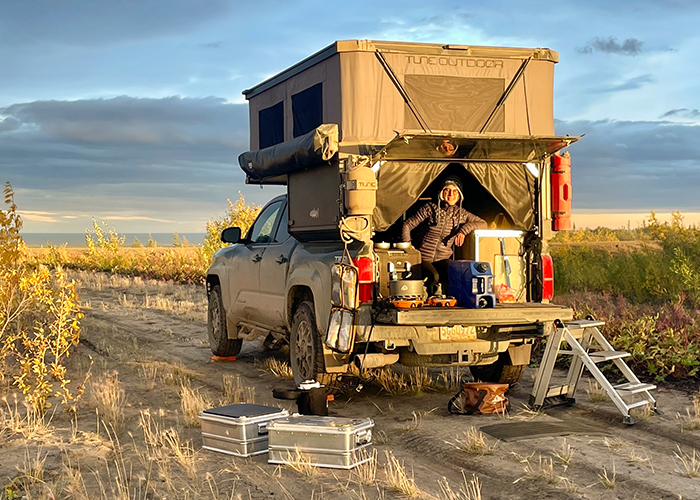
Ever wonder how people find their picture-perfect backcountry camp spots? You’ve probably seen Instagram photos and wondered what their secret is. We talked to some of our Tune Outdoor content creators and customers to get their advice, and we’re here to break down the best camping spots for pop-up truck bed campers.
Look for Roads that Lead Nowhere
Nolan Fisher is a YouTuber who frequently travels to unique, backcountry locations in his Tune M1 canopy camper.
“When it comes to looking for places to camp in the M1, I am always looking for the dirt roads that lead nowhere - like those leading in the direction of the foothills of a mountain, down to a river, or the edge of a cliff," Nolan said. “Those roads are bound to dead-end somewhere, and that is usually where you will find a place to set up for the night. The rougher the road the better, as this increases the chances you will have the campsite all to yourself. Gotta make sure it’s legal to camp there first.”
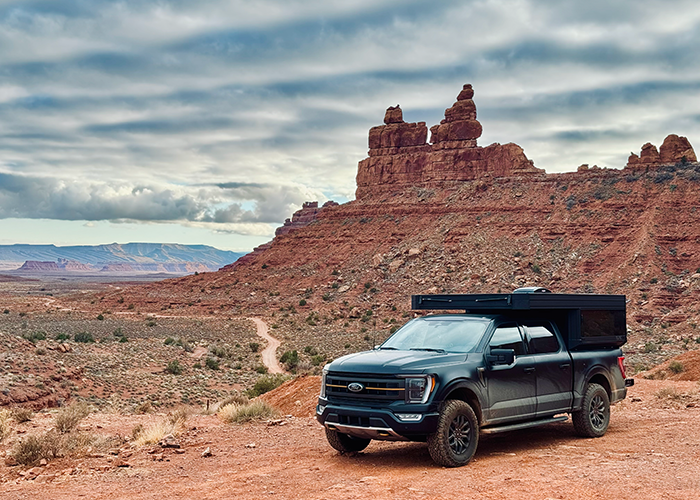
Pro Tip: Rougher roads often mean fewer people, but always confirm you’re on public land that allows dispersed camping before settling in.
Explore, Ask Locals, and Use the Right Apps
Connor Scalbom is a photographer who lives full-time in his pop-up truck camper. He travels across the country, capturing picturesque videos.
“Finding the best camp spots comes from a few sources," Connor said. "Making friends with locals, just exploring roads you’ve never been on, and iOverlander.”
Talking to locals can reveal spots you won’t find on maps, while simply turning down unfamiliar roads often leads to unexpected gems. Websites like iOverlander, the Dyrt and BLM land maps help confirm access, legality, and recent conditions, especially when you’re traveling somewhere new. HipCamp is also a great resource where you can make reservations, plan your roadtrip and find camping spots with amenities.
Confirm You Can Camp There
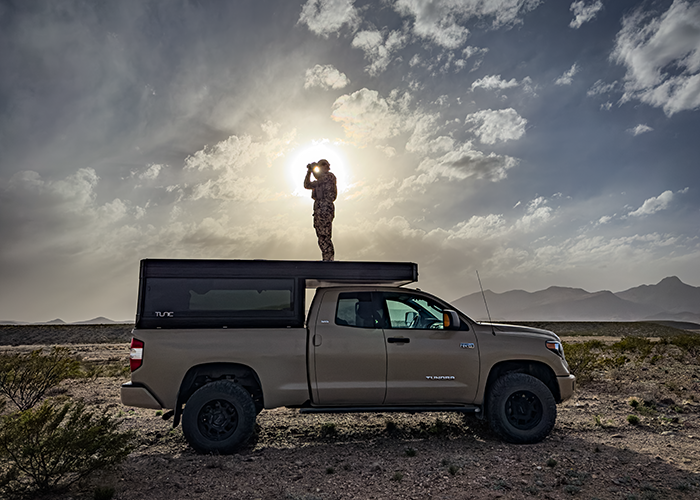
Before setting up camp, always check whether camping is allowed at that location. Many of the best dispersed campsites are found on:
- National Forest Land
- BLM (Bureau of Land Management) Land
Be sure to avoid no-camping areas, private property, and environmentally sensitive zones. If you are unsure if you are allowed to camp somewhere, there are several ways to verify. Use official land management maps or tools, such as Motor Vehicle Use Maps (MVUMs), to confirm where camping is permitted. When in doubt, call or visit the local ranger station. They have the up-to-date information on where to camp, fire regulations, and so much more.
Arrive Early and Have Backup Options
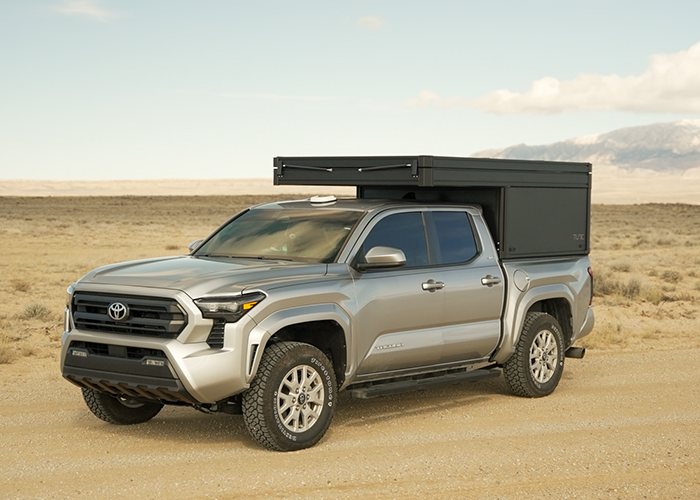
The best camping spots are usually first-come, first-served. Arriving during daylight gives you time to:
- Evaluate the terrain and ground conditions
- Check for Hazards like dead trees or flood-prone areas
- Find a different option if one doesn’t feel right
Always have at least one backup location in mind. Popular areas fill up quickly, especially on weekends and during peak season.
Leave No Trace
Finding an incredible camp spot comes with responsibility. Follow Leave No Trace Principles to help protect these places and keep them open for future campers.
- Camp on durable surfaces or existing clearings
- Pack out all trash and food waste
- Dispose of human waste properly
- Avoid damaging vegetation or creating new fire rings
The best camping spots are not always marked on a map. Sometimes they’re found by exploring, asking questions, and trusting your instincts. With the right approach, you may just find a hidden gem to enjoy during your next outing. Read our blog on LNT and overlanding to learn more.
FAQ’s
Where can I dispersed camp with my truck bed pop-up camper?
Dispersed camping is generally allowed on public lands managed by the Bureau of Land Management and the U.S Forest Service. Dispersed camping is most common along forest service roads. Sites should be at least 200 ft away from water sources, trails, and developed areas.
How can I tell if I am allowed to camp somewhere?
First, look for signs that a site has been used before, such as existing fire rings or cleared areas. Motor Vehicle Use Maps and apps like iOverlander can also help you identify legal and established camping spots. If you’re still unsure, call or stop by the local ranger station. They’ll have the most up-to-date information on where camping is allowed.
Are Tune aluminum truck campers suitable for dispersed camping?
Yes! Tune aluminum Truck Campers are a great option for dispersed camping. They’re designed to be rugged, lightweight, and compact enough to take you off the beaten path where larger RVs can’t go. This lightweight design makes them easy to maneuver on gravel roads, forest service routes, and primitive sites, while still providing shelter, sleeping space, and basic amenities for comfortable back-country stays.
Where can I camp near Tune’s HQ after my install?
We put together a list of dispersed and campsite options for weekend trips near Denver. Read more and find your ideal spot here.