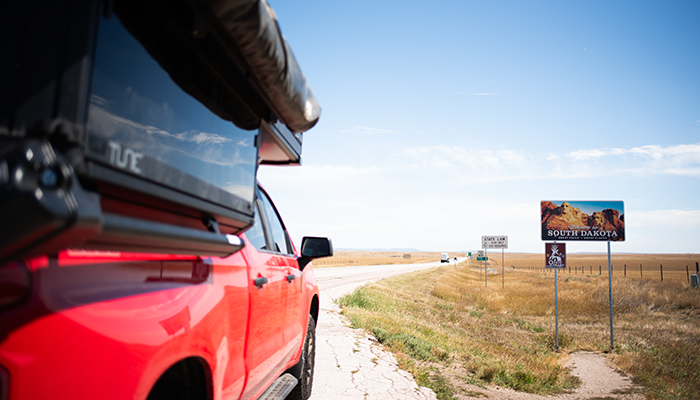
If you've spent any time reading camping news recently, you may have seen headlines about campgrounds restricting tents, rooftop tents, and other soft-sided camping setups due to increased bear activity.
Most recently, Gore Creek Campground near Vail, Colorado, temporarily restricted camping to hard-sided campers only after a food-conditioned black bear repeatedly entered the campground. The bear damaged two unoccupied tents in separate incidents while searching for food, prompting wildlife managers to temporarily prohibit tents, rooftop tents, and other soft-sided camping setups, such as pop-up canopy campers, as they addressed the situation.
For truck camper owners, stories like this naturally raise the question:
Are more campgrounds going to ban soft-sided campers?
At this point, the answer is generally no.
The situation at Gore Creek is notable because it is relatively uncommon. While many parks and campgrounds have increased food storage requirements in recent years, blanket restrictions on soft-sided campers are generally only implemented in response to specific wildlife concerns. These concerns often include habituated bears that have become accustomed to seeking food from campers, as well as other situations where wildlife may pose an increased safety risk, such as aggressive elk during the rut, female deer protecting their fawns, or public health concerns involving diseases like rabies or hantavirus.
What is becoming more common, however, is an increased focus on proper food storage and campsite management. We talked with a park ranger to get the information you need on bear safety.
Why Bear Safety Matters
When bears gain access to human food, they quickly learn to associate campgrounds with easy meals.
Once a bear successfully finds food at a campsite, it often returns looking for more. Over time, these bears can become increasingly comfortable around people, creating safety concerns for both visitors and wildlife.
This year could see an increase in bear activity due to drought conditions and scarcity of food sources in the high country.
Unfortunately, food-conditioned bears often face serious consequences. In some cases, they must be relocated. In others, they may ultimately be euthanized.
For this reason, land managers across North America have placed a greater emphasis on food storage regulations designed to keep bears wild and visitors safe.
Soft-Sided Campers Are Still Welcome in Most Places
Despite recent headlines, most national parks, national forests, and public campgrounds continue to welcome truck campers, rooftop tents, and other soft-sided camping setups.
That said, many parks have implemented stricter food storage requirements, particularly in areas with active bear populations.
For example, campgrounds in places like Yellowstone, Glacier, Yosemite, Grand Teton, and Rocky Mountain National Park often provide bear-resistant food lockers and have specific rules regarding food storage and scented items.
The key takeaways are simple:
Restrictions on food storage are becoming more common than restrictions on camping itself.
Before visiting any destination in bear country, it's always worth checking campground regulations and wildlife advisories to ensure you're prepared.
Always plan your food storage so that you do not store food in your camper, and organize your food so that it can be moved into required surrounding storage locations quickly and efficiently.
How to Camp Safely in Bear Country
The good news is that camping safely in bear country is usually pretty straightforward.
The most important thing you can do is properly store anything that could attract wildlife. While most people immediately think of food, bears are attracted to a much wider range of items than many campers realize.
Common attractants include:
- Food and beverages
- Coolers
- Trash and recyclables
- Pet food and treats
- Toothpaste
- Deodorant
- Sunscreen
- Lip balm
- Cooking oils and spices
- Dirty dishes and cookware
- Scented wipes and toiletries
Even small amounts of food residue can attract wildlife.
The most important thing for truck camper owners to remember is that truck campers are not bear-resistant. In bear country, store food and other scented items in a campground bear box or an approved bear-resistant storage whenever required or recommended. Doing so helps protect both wildlife and your camper from damage caused by food-conditioned bears.
Many campgrounds in bear country provide bear-resistant food lockers, commonly known as bear boxes. If one is available at your campsite, use it. These lockers are specifically designed to prevent bears from accessing food and scented items.
If bear boxes aren't available, be sure to follow local food storage regulations. Requirements vary by campground, and some locations may require approved bear-resistant containers or have specific instructions regarding food storage. There are many styles of bear canisters, but not all are accepted everywhere. Some parks maintain very specific requirements, down to the exact models that are allowed. If you’re looking for reliable food storage, Bearvault and Ursack both offer excellent bear-resistant solutions for camping in bear country.
Just as importantly, keep a clean campsite. Wash dishes promptly, wipe down cooking surfaces after meals, dispose of trash properly, and avoid leaving food unattended while you're away from camp. A clean campsite is far less likely to attract curious wildlife.
A few minutes of preparation can go a long way toward preventing unwanted encounters.
Before You Go
Before heading out on your next trip, take a few minutes to review the regulations for your destination.
Check whether bear boxes are available, review food storage requirements, and look for any recent wildlife advisories or temporary campground restrictions. Regulations can vary significantly from one campground to another, even within the same park.
Planning ahead helps ensure a smoother camping experience and helps protect the wildlife that makes these places so special.
Final Thoughts
The temporary restrictions at Gore Creek Campground are a reminder that wildlife activity can occasionally lead to unique camping regulations. However, they remain the exception rather than the rule.
For most Tune owners, the takeaway is simple: soft-sided camping remains welcome in most places, but proper food storage is more important than ever.
By understanding local regulations, storing food responsibly, and maintaining a clean campsite, you can continue exploring bear country with confidence while helping keep both campers and wildlife safe.
Build your Tune M1
FAQ’s
Can I camp in bear country with a Tune truck camper?
Yes, most national parks, national forests, and public campgrounds allow truck campers. However, some destinations have specific food storage requirements that visitors must follow.
What items should be stored in a bear box?
Any item with a scent should be stored in accordance with campground regulations. This may include food, drinks, coolers, trash, toothpaste, deodorant, pet food, cooking supplies, and dirty dishes.
Can I store food inside my truck camper?
It depends on where you're camping. Many campgrounds allow food to be stored in a truck camper, while others may require visitors using soft-sided camping setups to use bear boxes or other approved food storage methods. Before your trip, check the regulations for your specific campground and destination.
Regardless of local regulations, it's always a good idea to keep food organized, clean up thoroughly after meals, and avoid leaving food, trash, or other scented items unattended around camp. Please refer to the Interagency Grizzly Bear Committee’s list of bear-resistant products for approved food storage containers and other bear-resistant equipment.